

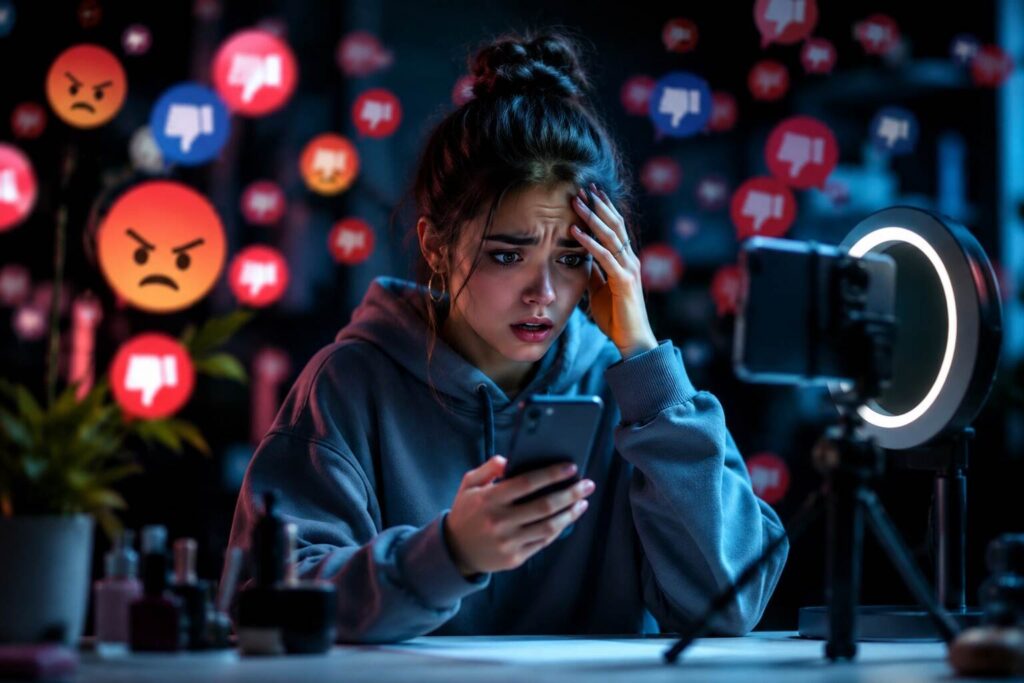
Social media trends move fast, and sometimes creators go viral for the wrong reasons. The phrase influencers gone wild is often used when online personalities cross a line through reckless posts, misleading promotions, fake giveaways, public drama, or content created mainly for shock value. For followers, these moments raise a simple question: can this creator still be trusted? For brands, they create reputation risks. For influencers, they are a reminder that attention is powerful, but it means little without honesty, judgment, and responsibility.
What Does “Influencers Gone Wild” Mean?
Influencers gone wild describes situations where online creators attract attention for behavior that feels surprising, controversial, or poorly judged. This can include misleading product promotions, unsafe challenges, staged drama, unclear sponsorships, fake giveaways, or posts created mainly to get a reaction.
Some readers may come across the topic through search terms like influencersgonewild or influencers gonewild. In a broader sense, these searches usually reflect the same interest: understanding how influencer behavior affects trust, online reputation, brand partnerships, and the way audiences respond to viral moments.
It is important to remember that not every mistake defines a creator. Many influencers learn from public criticism, correct their approach, and become more transparent with their audience. The real issue begins when attention is used carelessly or when creators ignore the responsibility that comes with having influence.
At its core, the phrase points to a larger lesson about social media culture: popularity can create opportunity, but long-term trust depends on honesty, good judgment, and respect for the people watching.
Why Influencer Scandals Spread So Fast
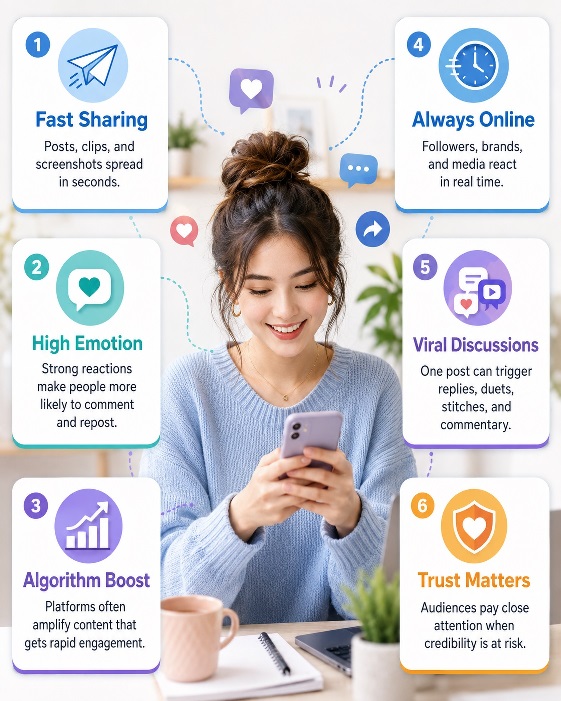
Social platforms reward emotion. Content that makes people angry, shocked, amused, or suspicious often earns more comments, shares, stitches, and reaction videos. That attention can turn one mistake into a national conversation before the creator has explained what happened.
In the United States, the stakes are higher when money, sponsorships, product claims, or reviews are involved. A messy creator moment can quickly become a brand-safety, advertising, or consumer-trust problem.
The Main Risks for Audiences, Creators, and Brands
For audiences, the biggest risk is believing content that is staged, paid for, edited out of context, or built around false urgency. If a creator says a product “changed my life,” viewers deserve to know whether money, free products, or a business relationship shaped that message.
For creators, the risk is losing trust. A large following can shrink quickly when followers feel manipulated. Even an apology may not repair the damage if the same behavior keeps happening.
For brands, the danger is association. A company that partners with a creator who hides sponsorships, promotes unsafe behavior, or spreads misinformation may face backlash. Smart vetting checks content history, audience quality, comment sentiment, past controversies, and disclosure habits.
How to Judge Viral Controversies Fairly
Not every viral accusation is accurate. Before joining a pile-on, ask: Did the clip show full context? Is there a credible source? Has the creator responded? Are people sharing evidence, or only reactions?
A fair review looks at what happened, whether harm occurred, and whether the creator took responsibility. A strong response includes a clear explanation, correction, apology where needed, and changed behavior. A weak response blames the audience, hides evidence, or turns the scandal into more content.
Practical Lessons for Creators and Brands
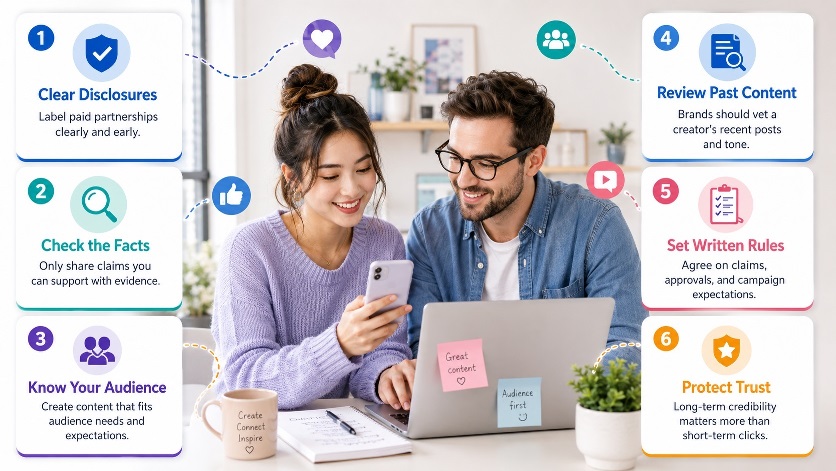
Creators should treat every sponsored post as a trust test. Disclosures should be clear, early, and easy to notice. Avoid hiding “ad” or “sponsored” where viewers will miss it. If a claim needs proof, use proof. If a product is medical, financial, aimed at minors, or linked to safety, be extra careful.
Brands should review a creator’s last 60 to 90 days of content before approving a campaign. Read comments, not only engagement numbers. Look for fake engagement, repeated complaints, risky jokes, aggressive claims, or sudden audience spikes. Put disclosure rules, prohibited claims, approval steps, and crisis-response expectations in writing.
Also Read: Snapchat Planets Explained: Decode Your Best Friend Order (2026)
What This Means for SEO and Reputation
Thin scandal content is a weak long-term strategy. Google-friendly content should help readers understand the issue, not just repeat gossip. Strong content explains context, risks, examples, and next steps. For creators and businesses, the lesson is simple: search results remember. The best defense is practical: disclose paid relationships, verify claims, avoid manipulative tactics, and respond quickly when something goes wrong.
Conclusion
The influencers gone wild trend is really a lesson about trust. Audiences should think before believing every viral claim. Creators should remember that influence comes with responsibility. Brands should choose partners carefully and set clear rules before campaigns go live. For a deeper next step, read a related guide on influencer disclosure or brand-safe creator partnerships.
FAQs About Influencers Gone Wild
What does influencers gone wild mean?
It means influencers behaving in ways that appear reckless, deceptive, offensive, unsafe, or overly dramatic online. The phrase usually refers to viral controversies rather than normal creator mistakes.
Why do influencers act wild online?
Some do it for attention because shocking content often gets engagement. Others make poor decisions under pressure to post constantly, stay relevant, or please sponsors.
Can brands get in trouble for influencer behavior?
Yes. Brands can face public backlash, lost trust, and possible compliance problems if sponsored content is misleading or poorly disclosed.
