
 by
by 
Yiotra89.452n is an unverified technical identifier that should be interpreted by source context. Treat it as a possible log, device, configuration, URL, or asset reference until the originating system proves otherwise.
What Yiotra89.452n Means in Practical Terms
Yiotra89.452n is not confirmed as a public product, patch, malware family, real estate platform, or official enterprise standard. Do not invent features because the keyword looks technical.
The string fits an alphanumeric identifier pattern. The prefix may describe a system family. The numeric middle may represent a sequence, batch, version, or event group. The final letter may mark a variant or environment.
This does not prove purpose. It only tells you how to investigate Yiotra89.452n without guessing.
The First Check: Where Did You See It?
Source location is the strongest clue. A string in a trusted application log is different from the same string inside an unknown download or redirected URL.
Use this triage table before taking action:
| Location found | Most likely role | Risk level | What to do next |
|---|---|---|---|
| Error log | Trace ID, process ID, debug marker | Low to medium | Match it with the timestamp and error |
| URL parameter | Session, routing, campaign, or tracking value | Medium | Confirm the domain and referral source |
| Device dashboard | Firmware, sensor, or configuration reference | Low | Check the device registry or admin panel |
| Property software | Unit, asset, inspection, vendor, or workflow ID | Low | Review the linked record and audit trail |
| Unknown file or script | Temporary marker or suspicious payload label | Medium to high | Scan it before opening or deleting |
This method is faster than reading broad definitions. This gives the reader clear direction on how to proceed.
A Realistic Technical Scenario
A system may record Yiotra89.452n as part of a diagnostic trail. The example below is not a real vendor log. It shows how a similar identifier can appear in normal telemetry.
2026-06-05T10:42:17Z level=warn service=asset-sync
event_ref=Yiotra89.452n
source=property-iot-gateway
action=config_check
status=version_mismatch
unit=Building-A/Floor-03/Panel-12
next_step=verify_device_registry
This does not prove a breach. It shows a system connecting an event with a device, asset, or configuration state.
How It Works as an Identifier
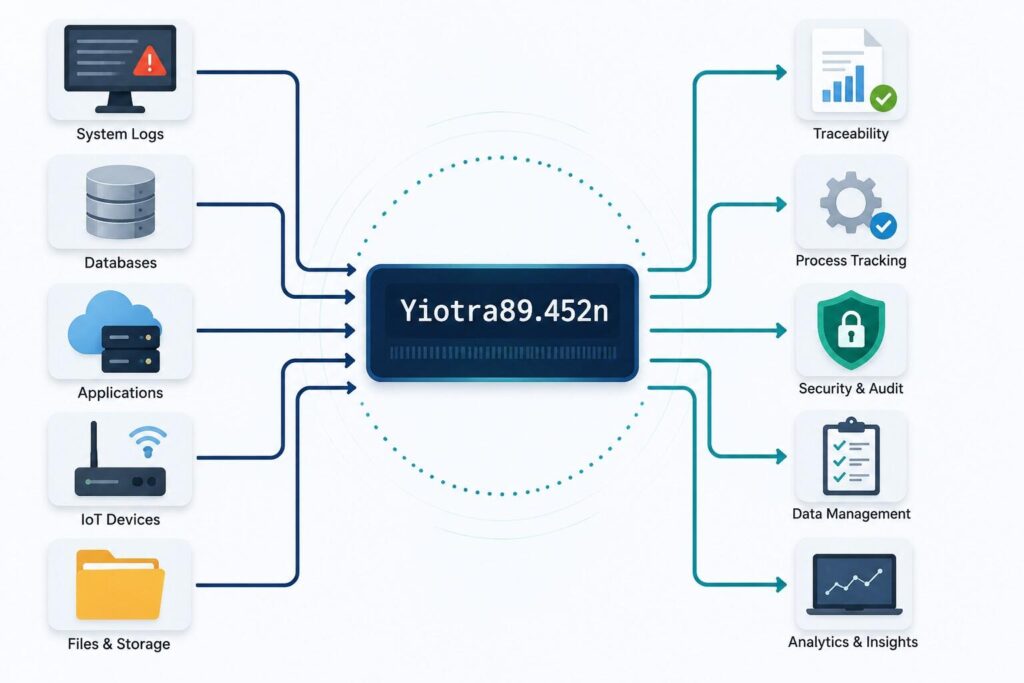
Most business systems need stable references. Human-readable labels help, but they are not reliable enough for databases, logs, APIs, or devices.
Yiotra89.452n may work as a pointer to one exact object or event. That object could be a support ticket, backend request, smart-device setting, file version, building access panel, or maintenance record.
In Microsoft Entra, AWS CloudTrail, Cisco Meraki, or a property management stack, the same rule applies: verify the native audit trail first. The generating platform is the authority.
Core Benefits When the Source Is Trusted
The first benefit is traceability. If Yiotra89.452n appears beside a timestamp, user action, or system status, it can help narrow the investigation.
The second benefit is cleaner operations. Real estate, IT, and facilities teams handle many similar records. A clear identifier reduces duplicate tickets, mixed device records, and incomplete handovers.
The third benefit is faster escalation. Sending support a vague screenshot wastes time. Sending the code, timestamp, platform name, affected asset, and error message gives them evidence.
The fourth benefit is security control. If Yiotra89.452n appears in an unexpected place, the same identifier can help isolate the source and check whether the activity is normal.
Common Applications
In software environments, Yiotra89.452n may appear in backend logs, API traces, queue events, or configuration checks. It helps teams trace activity across services.
In IoT and smart-building systems, it may relate to a device, gateway, firmware group, or sensor stream. This is especially relevant for access control, meters, cameras, locks, and HVAC panels.
In real estate operations, Yiotra89.452n could be attached to a unit record, inspection note, maintenance ticket, vendor task, or asset lifecycle event. That does not make it a real estate keyword by default. It means property systems are one plausible environment where this pattern can appear.
Safety Review: When to Ignore and When to Act
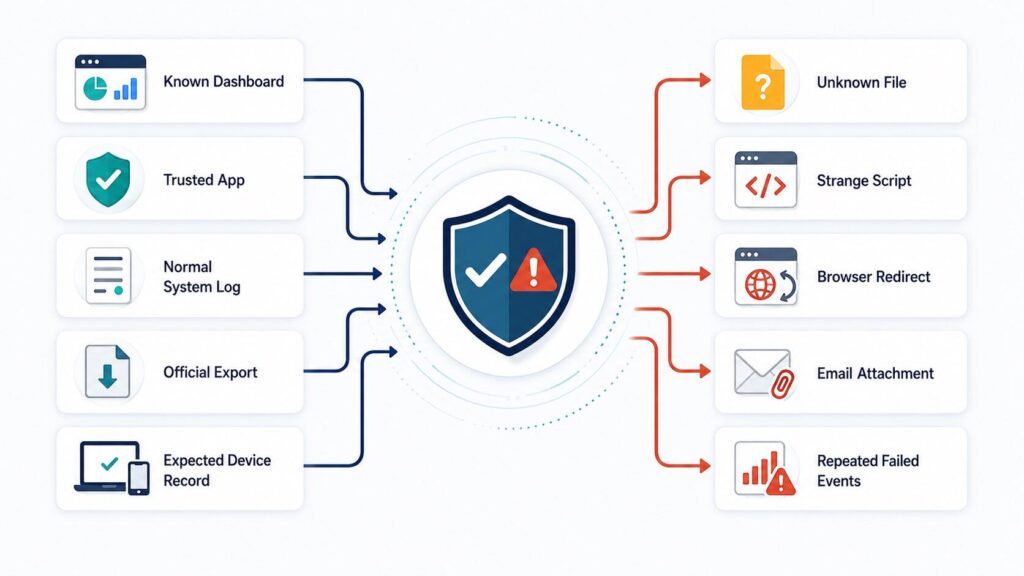
If Yiotra89.452n appears inside a known dashboard, supported app, or official export, do not panic. Record the context and continue normal troubleshooting.
If Yiotra89.452n appears in a strange script, unknown installer, suspicious email attachment, or browser redirect, treat it as untrusted. Do not click, run, or delete blindly. Verify the source first.
A safe review has four steps: capture the location, note the time, identify the platform, and check related activity. If the source remains unknown, scan it and escalate to IT or vendor support.
Recommended User Action
Start with evidence, not assumptions. Take a screenshot, copy the full path or URL, record the timestamp, and note what you were doing when the code appeared.
Then search inside the platform that showed it. Use the admin dashboard, event log, device registry, CRM history, or support portal. If your system has audit exports, check whether the same string repeats across multiple records.
If it appears once in a trusted workflow, it may be harmless. If it appears repeatedly across unrelated files, redirects, or failed login events, investigate more seriously.
Final Assessment
Yiotra89.452n should be handled as a technical clue, not a confirmed product or threat label. The right response is disciplined verification.
The value is not memorizing the string. The value is using surrounding evidence to identify the source, assess risk, and choose the next action.
FAQs
What is this identifier?
Yiotra89.452n appears to be a structured technical identifier. Its meaning depends on the system, file, URL, log, or dashboard where it appears.
Is this identifier dangerous?
Not by default. It becomes concerning only when it appears in an untrusted file, suspicious link, unexpected script, or unexplained system event.
Why does it appear in logs?
It may be used as a trace reference, configuration marker, event ID, device label, or asset record pointer.
What should I do first?
Find the source. Check the timestamp, platform, file path, domain, or linked asset before deleting, clicking, or changing anything.
